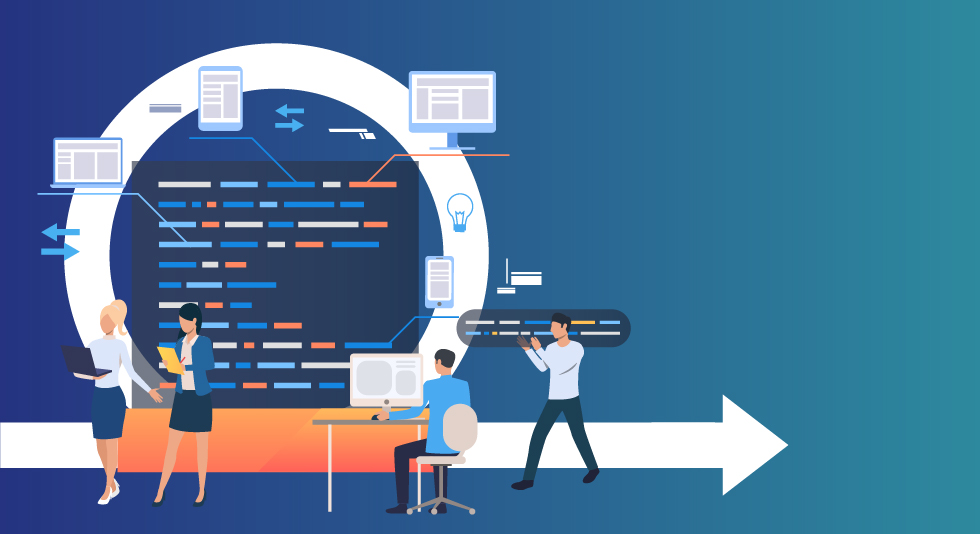
The constant shift in technology shifts the realm of what is possible and when it is possible across every industry. To keep up with this shift, the organisations must invest in a learning culture that encourages continual learning and exploration of new studies, tools and techniques. For L&D managers, the question isn’t whether to implement continuous learning, but how to make it a competitive advantage.
What Is Continuous Learning?
Continuous learning goes beyond traditional training programs. It’s the ongoing process of upskilling employees, identifying key problem areas, and learning to solve them in real-time. According to the World Economic Forum’s 2025 Future of Jobs Report, 39% of key skills required in the job market will change by 2030, and 1.09 billion jobs will continue to exist in ever evolving market. This makes continuous learning non-negotiable for organizational survival.
In practice, continuous learning provides employees with space to reflect, grow, and adapt. But it only thrives within the right organizational culture. Ask yourself: Does your organization foster growth through upskilling programs, or does it create no-error zones that stifle innovation?
Why Should Your Organization Invest in Continuous Learning?
Companies that invest in continuous learning are also investing in productivity, innovation, employee retention, and future readiness. How?
Productivity & Profitability: Reports from Association for Talent Development show companies with comprehensive training programs generate 218% higher income per employee than those with less extensive training. The key? Employees develop adaptive problem-solving skills that transfer across tools, scenarios, and challenges.
Innovation: Companies with learning culture allow the employees to grow and innovate, building the company value. This study from Harvard explores the relationship between innovation and learning. When employees have space to experiment, learn from failures, and apply new knowledge, innovation becomes a natural byproduct.
Employee Retention & Engagement: The 2018 LinkedIn Learning Report reveals that 94% of employees would stay at a company longer if it invested in learning initiatives. This finding remains relevant today because when employees see a clear path for development, they’re more invested in organizational success.
Cost Savings: By cross-training and upskilling your workforce, you cultivate an internal talent pool to fill vacant positions. This is far more cost-effective than recruiting, onboarding, and training new hires who lack company culture understanding.
How to Implement a Continuous Learning Culture
Building a continuous capability engine requires strategic planning:
- Assess Current State: Identify skill gaps and problem areas within your organization. Where is technology outpacing your team’s capabilities?
- Create Psychological Safety: Establish an environment where experimentation and learning from failure are celebrated, not punished.
- Integrate Learning into Workflow: Move beyond quarterly training sessions. Embed microlearning opportunities, peer learning sessions, and knowledge-sharing into daily operations.
- Leverage Technology: Utilize AI-powered learning platforms, virtual reality simulations, and adaptive learning systems that personalize development paths.
- Measure & Iterate: Track engagement, skill acquisition, business impact, and ROI. McKinsey research shows that nearly 70% of organizations reporting successful reskilling programs see business impact equal to or greater than their investment.
- Lead from the Top: Executives must model continuous learning behaviours. When leadership prioritizes development, employees follow.
Partner with Experts Who Understand Implementation
Transforming your organization into a continuous capability engine requires more than good intentions. It demands expertise, resources, and proven methodologies. The right partner brings:
- Experience designing learning ecosystems tailored to your industry
- Technology integration that fits your existing infrastructure
- Change management strategies that drive adoption
- Measurement frameworks that prove ROI to stakeholders
The organizations winning in 2026 and beyond are building it into their DNA. They understand that a highly skilled, adaptable workforce isn’t a luxury but the foundation of sustainable competitive advantage.
Ready to Build Your Continuous Capability Engine?
Your employees want to grow. Your organization needs them to evolve. The question is: who will help you bridge that gap effectively?
Contact Apposite today to discover how we can partner with you to design and implement a continuous learning strategy that transforms your workforce, drives innovation, and delivers measurable business results. Let’s make learning perpetual – together.